Destination Guide
How to Visit Bahía de las Águilas: A Complete Guide
Discover how to reach Bahía de las Águilas by boat or 4x4, the best time to visit, and what to pack for the Dominican Republic's most pristine beach.
What Makes Bahía de las Águilas So Special?
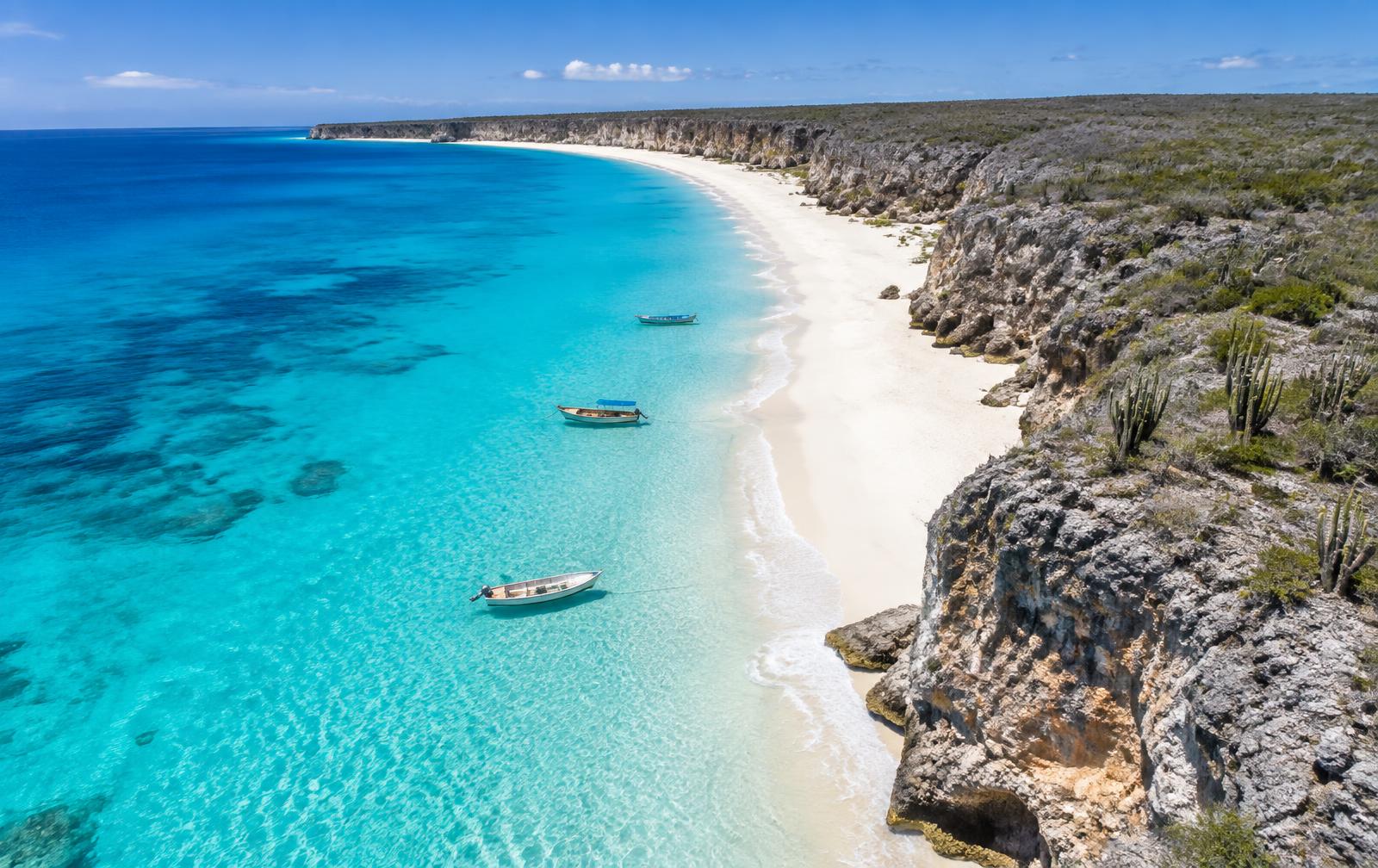
Imagine a coastline so untouched it feels like stepping back in time. Bahía de las Águilas (Eagle's Bay) is an eight-kilometer stretch of powdery white sand and crystalline turquoise water, frequently cited as the most beautiful beach in the Dominican Republic. What makes it truly unique is its isolation and protected status. Located within the Jaragua National Park, a UNESCO Biosphere Reserve, the bay is completely free of hotels, shops, and restaurants, offering a pure, uninterrupted connection with nature.
This extraordinary bay is part of a fragile karstic and marine ecosystem. Its waters are home to some of the best-preserved coral reefs in the Caribbean, teeming with life. The landscape is a striking contrast of arid, rocky terrain dotted with cacti and the vibrant blue of the sea. Visiting Bahía de las Águilas isn't just a beach trip; it's an immersion into a wild, protected paradise that represents the ecological heart of the island of Hispaniola.
Getting to the Pedernales Frontier
The journey to Bahía de las Águilas is an adventure in itself, taking you to the Dominican Republic's far southwestern corner in the province of Pedernales, bordering Haiti. For most travelers, the starting point is Santo Domingo, a scenic drive of about 5 to 6 hours. The route passes through various towns and landscapes, shifting from lush greenery to the distinctively arid environment of the south. Alternatively, visitors can fly into Barahona and drive the remaining 2 hours.
The main service town for the region is Pedernales, but the closest and most convenient base for visiting the bay is the developing area of Cabo Rojo, about 30 minutes south. While the Cabo Rojo Port is operational for cruise ships, the new Cabo Rojo International Airport (CBJ) is currently under construction and is not yet open. Until its expected opening, all travel to the region is by road. We can arrange private transfers from your hotel in the area to the boat launch points.
The Final Leg: Choosing Your Path to the Bay
Once you are in the Cabo Rojo area, there are two primary ways to reach the sands of Bahía de las Águilas. The most popular and highly recommended method is by boat. Small motorboats depart from a designated spot in the fishing village of Las Cuevas. The ride itself is a highlight, lasting about 15 to 20 minutes and offering breathtaking views of the sheer limestone cliffs that line the coast. The perspective from the water gives you a true sense of the bay's grandeur as it comes into view.
For the more adventurous with a suitable vehicle, a rugged dirt road runs parallel to the coast. This option requires a high-clearance 4x4 and a confident driver, as the track is unpaved, rocky, and can be challenging. While it provides a different kind of raw, overland experience, it takes significantly longer and lacks the stunning coastal panoramas of the boat trip. For ease, comfort, and the classic scenic approach, the boat ride from Las Cuevas is the definitive choice for most visitors.
The Best Time of Year to Visit
Thanks to the Caribbean's tropical climate, Bahía de las Águilas is a year-round destination, but some months offer more ideal conditions. The dry season, from December to April, is generally considered the best time to visit. During these months, you can expect less humidity, minimal rainfall, and pleasantly warm temperatures, perfect for swimming and sunbathing. This period aligns with the peak tourist season, but the bay's remoteness means it never feels truly crowded.
The summer and fall months, from May to November, are hotter and more humid, with a higher chance of rain. However, the rain often comes in short, intense bursts, and you can still enjoy long periods of sunshine. Visiting during the week is always recommended for a more tranquil experience, as weekends and Dominican holidays see more local visitors. Regardless of when you go, the bay's beauty remains constant, offering a spectacular escape any day of the year.
Your Essential Day-Trip Packing List
Preparation is key for a day at Bahía de las Águilas, as there are absolutely no facilities on the beach itself. The number one priority is protection from the sun, which is intense and reflects off the white sand and clear water. Pack a high-SPF, reef-safe sunscreen to protect both your skin and the delicate coral ecosystem. A wide-brimmed hat, UV-protective sunglasses, and a light long-sleeved shirt or cover-up are also essential.
Beyond sun protection, be sure to bring plenty of drinking water to stay hydrated throughout the day. Pack some snacks or a full picnic lunch to enjoy. You'll also want a towel and, of course, your swimsuit. While the sand is soft, a pair of water shoes can be useful for exploring rocky areas. Most importantly, bring a camera to capture the incredible scenery and a bag to pack out everything you brought in, leaving the beach as pristine as you found it.
Discovering the Underwater and Coastal Wildlife
The bay's protected status makes it a haven for marine life. The clear, calm waters are perfect for snorkeling, revealing vibrant coral gardens just a short swim from the shore. Here you can encounter a diverse array of colorful reef fish, starfish, and sometimes even gentle rays gliding across the sandy bottom. Jaragua National Park is also a critical nesting ground for several species of sea turtles, including the hawksbill, green, and leatherback turtle. Seeing one in its natural habitat is an unforgettable, though not guaranteed, experience.
The name 'Eagle's Bay' is thought to originate from the population of ospreys (known as fish eagles) that inhabit the area. Birdwatchers will be delighted by the variety of seabirds and terrestrial species found in the park's dry forest. The surrounding area is also home to two species of endemic iguanas, the rhinoceros iguana and Ricord's iguana, which can sometimes be spotted in the scrubland behind the beach. This rich biodiversity is a core part of what makes the region so precious.
A Guide to Responsible and Sustainable Tourism
Visiting a pristine natural area like Bahía de las Águilas comes with the responsibility to protect it. The most important principle is to 'leave no trace.' This means packing out every single item you bring with you, including food wrappers, bottles, and any other trash. There are no trash bins on the beach, so plan accordingly to carry everything back with you for proper disposal in Pedernales or your hotel.
Respect for wildlife is paramount. Do not touch or stand on the coral reefs, as they are fragile living organisms that can be easily damaged. Observe marine animals from a respectful distance and never attempt to feed them. Stay on designated paths when exploring on land to avoid disturbing sensitive vegetation and animal habitats. By choosing licensed tour operators who adhere to the national park's regulations, you contribute to the conservation efforts that keep this incredible place wild and beautiful for future generations.
Beyond the Bay: What Else to See in Cabo Rojo
While Bahía de las Águilas is the star attraction, the Pedernales region offers other natural wonders worth exploring. A perfect complement to your beach day is a visit to the Pozos de Romeo, a series of cool, clear freshwater sinkholes hidden in the forest. These natural swimming pools offer a refreshing dip after a day in the saltwater. They are located near the road to Las Cuevas and are an easy stop on your way back.
Further afield, the Oviedo Lagoon is another highlight of Jaragua National Park. This saltwater lagoon is a critical habitat for waterfowl, including a large population of American flamingos. You can take a boat tour to its small islands to see the flamingos, iguanas, and diverse birdlife up close. Exploring the charming town of Pedernales and enjoying a fresh seafood meal at a local restaurant provides a wonderful taste of local culture and completes an unforgettable journey to the Dominican Republic's deep south.
Experience Bahía de las Águilas with a Local Guide
Let us handle the details. Our tours include the boat journey, national park entrance fees, and snorkeling equipment for a seamless adventure. Guides available in English, Spanish, German, French, Italian and Portuguese.
Explore Our Tours